
Nepal Floods News 2026
Latest Updates, Weather & Rescue Operations
Nepal has been facing a devastating flash-flood disaster after severe flooding struck the Bhote Koshi River corridor on August 26, 2026. The disaster caused extensive damage to homes, roads, bridges, hydropower facilities and other infrastructure, while rescue teams continue searching for missing people.
What Happened in Nepal in August 2026?
On 26 August 2026, Nepal was hit by severe flash floods along the Bhote Koshi and Trishuli river corridors, causing major loss of life, displacement and widespread damage to homes, roads, bridges and hydropower infrastructure.
The Rasuwa district was among the worst-affected areas. Preliminary assessments indicate that a sudden surge of water entered the Bhote Koshi River from the Tibet Autonomous Region of China. Officials said the flooding may have been associated with an upstream ice avalanche and temporary damming of the Lhende River, although assessments were still continuing.
The disaster also affected parts of Nuwakot, Dhading, Chitwan, Gorkha and Tanahun. Nepal’s authorities mobilized security forces, emergency teams and health services for search and rescue, evacuation, medical assistance and relief operations.
Impact on Roads, Bridges and Hydropower
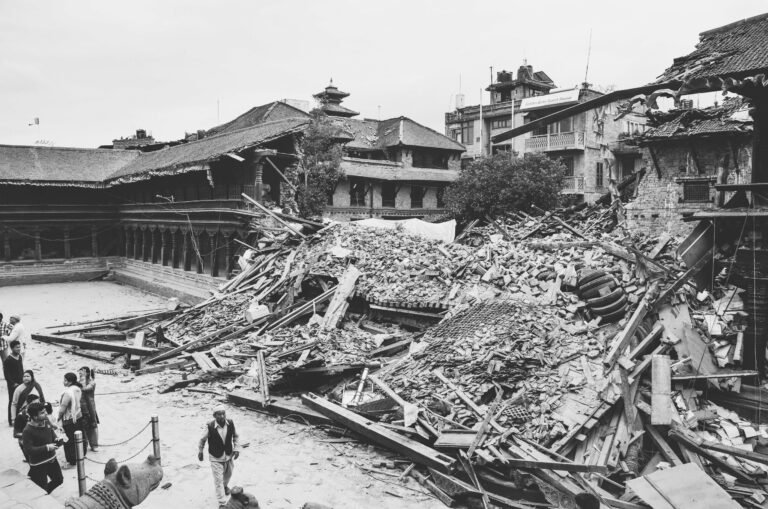
The August 2026 Nepal flash floods caused extensive damage to critical infrastructure, particularly along the Bhote Koshi and Trishuli river corridors. Roads were washed away or severely damaged, while bridges connecting affected communities were destroyed, making rescue and relief operations more difficult. Initial assessments reported damage to at least 19 bridges and around 40 km of roads.
The Nepal flood 2026 also severely affected hydropower infrastructure in Rasuwa, Nuwakot and surrounding districts. Several hydropower projects were damaged, with rescue teams working to reach workers trapped or missing at project sites. The damage has also affected Nepal’s electricity-generating capacity.
With roads, bridges and power facilities damaged simultaneously, restoring transportation, electricity and essential services has become one of the major challenges following the Bhote Koshi flood 2026. The Nepal government says a detailed assessment is underway to determine rehabilitation and reconstruction requirements.

Hydropower Projects Affected by Nepal Floods 2026
The Nepal floods in August 2026 caused significant damage to several hydropower projects, particularly in areas along the Bhote Koshi and Trishuli river corridors. Floodwaters damaged project infrastructure, access roads and other facilities, disrupting electricity generation and making rescue operations more difficult.
The impact on Nepal hydropower projects has become an important part of the country’s flood recovery efforts. Authorities are assessing the damage and planning restoration work to bring affected power facilities back into operation.
Damage to Homes, Roads and Infrastructure in Nepal Floods 2026
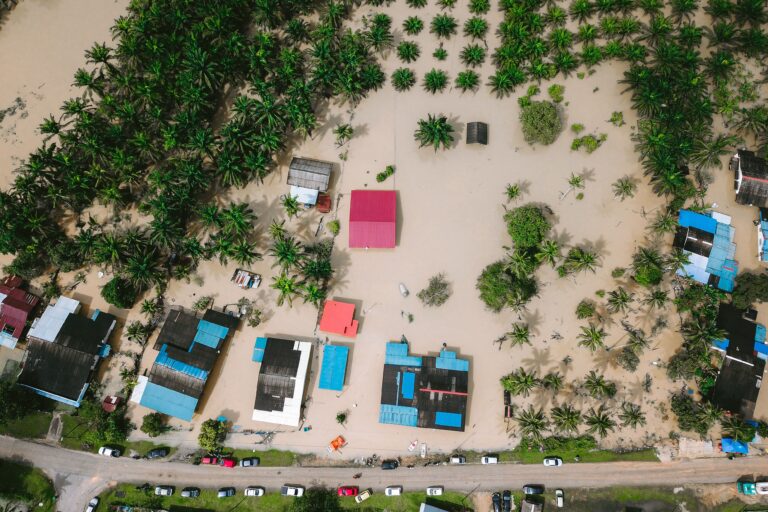
The Nepal floods 2026 caused widespread damage to homes, roads and essential infrastructure across several affected areas. Floodwaters destroyed or damaged houses, washed away roads and bridges, and disrupted transportation and access to basic services.
The Bhote Koshi flash flood particularly affected communities and infrastructure in Rasuwa and nearby districts. Damage to roads and bridges made rescue and relief operations more challenging, while affected homes and public facilities increased the need for emergency assistance and long-term reconstruction.
As Nepal continues its recovery, rebuilding damaged homes, roads, bridges and critical infrastructure will remain a major priority.

Districts Affected by the Nepal Flood Disaster 2026
The Nepal flood disaster 2026 affected several districts, with Rasuwa among the hardest-hit areas. Severe flooding along the Bhote Koshi and Trishuli river corridors also impacted communities and infrastructure in districts including Nuwakot, Dhading, Chitwan, Gorkha and Tanahun. The disaster damaged homes, roads, bridges and other essential infrastructure, creating major challenges for rescue, relief and recovery efforts.
Latest Search and Rescue Operations in Nepal Floods 2026
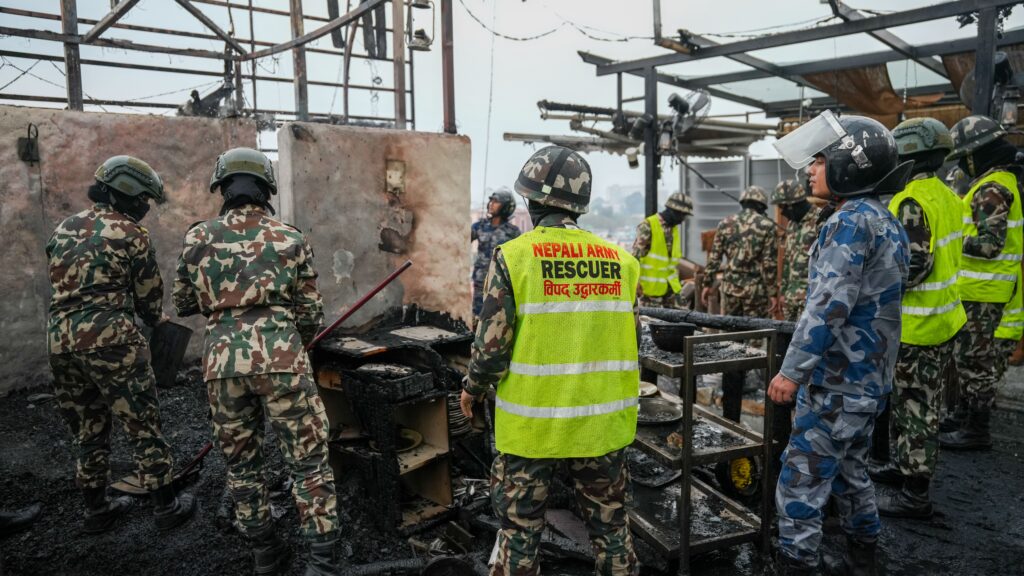
As of September 1, 2026, search and rescue operations are continuing in the flood-affected areas of Rasuwa, Nuwakot and Dhading after the devastating Bhote Koshi–Trishuli floods. Nepal’s security forces are searching remote areas, damaged communities and hydropower tunnels for missing people.
More than 11,800 people have been rescued, while more than 21,000 security personnel from the Nepal Army, Nepal Police and Armed Police Force have been deployed for rescue and relief operations. Difficult mountain terrain, damaged roads and unstable infrastructure are making ground searches challenging.
Special attention is being given to hydropower projects, where workers are believed to be trapped or missing inside tunnels. Joint teams are conducting careful searches at projects including Chilime, Langtang and Upper Trishuli-1.

Government Relief and Recovery Efforts
The Government of Nepal has mobilized resources for search, rescue, emergency relief and recovery operations following the devastating Bhote Koshi floods of August 2026. The immediate response has focused on rescuing stranded people, locating missing persons, evacuating survivors and providing essential assistance to affected communities.
As rescue operations continue, the government is also focusing on long-term rehabilitation and reconstruction. Damaged roads, bridges, electricity infrastructure and hydropower facilities will require extensive restoration. Nepal has also sought international assistance and technical support as the scale of the disaster becomes clearer.
Millets
Types, Benefits, Nutrition & How to Eat Them
Millets are nutritious, versatile grains that can be a healthy addition to your everyday diet. From ragi and bajra to foxtail millet, little millet, and kodo millet, there are many types of millets to explore. Rich in essential nutrients and dietary fiber, millets are a popular choice for people looking for wholesome and balanced food options.
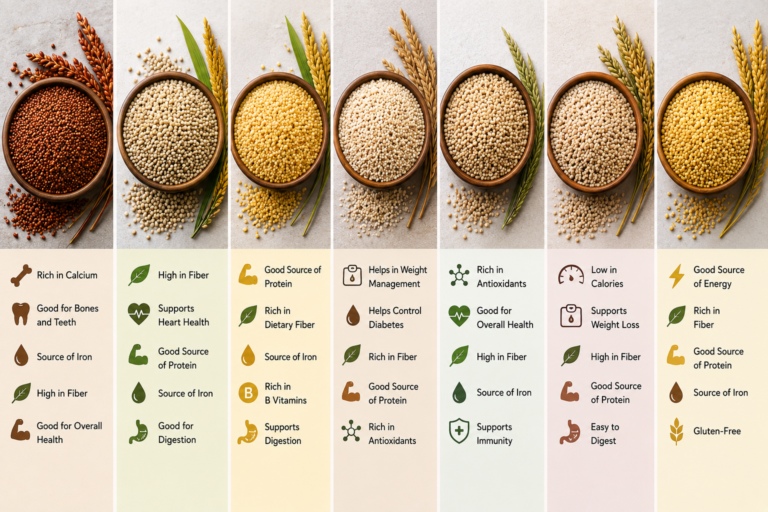
Types of Millets and Their Nutritional Benefits
Millets are nutritious whole grains that come in several varieties, each offering unique nutritional benefits. Popular types of millets include ragi (finger millet), bajra (pearl millet), foxtail millet, little millet, kodo millet, barnyard millet, and proso millet. These millet grains are naturally rich in dietary fiber, plant-based protein, vitamins, minerals, and other essential nutrients. Ragi is well known for its calcium content, while bajra provides fiber, iron, and protein. Foxtail, little, and kodo millets are also nutritious choices that can support a balanced diet. Adding different types of millets to your meals is an easy way to enjoy the health benefits of millets while making your everyday diet more varied and nutritious.
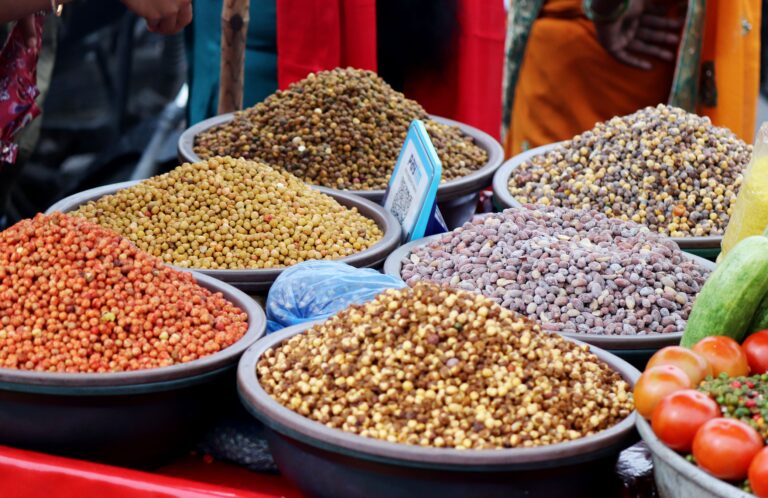
Millet Nutrition: Calories, Protein, Fiber & Minerals
Millets are nutrient-rich whole grains that provide a good balance of calories, protein, dietary fiber, vitamins, and essential minerals. The exact millet nutrition profile varies by type, but many millets provide important nutrients such as iron, magnesium, phosphorus, calcium, and B vitamins. Their dietary fiber and plant-based protein can make meals more filling and nutritious. Millet calories and protein can vary depending on the variety and preparation method, so choosing minimally processed millet grains can be a healthy option for a balanced diet. Including different types of millets in your meals is a simple way to increase whole-grain variety while enjoying the nutritional benefits of these traditional grains.

How to Include Millets in Your Daily Diet
Adding millets to your daily diet is an easy way to enjoy nutritious whole grains in a variety of meals. You can start your day with a healthy millet breakfast such as ragi porridge, millet dosa, or millet upma. For lunch and dinner, replace rice or other grains with foxtail millet, little millet, or kodo millet in dishes such as millet rice, pulao, khichdi, and salads. You can also enjoy healthy millet recipes as snacks, including millet-based crackers, laddus, and roasted millet mixes. Including different types of millets in your meals can add dietary fiber, protein, vitamins, and minerals to a balanced diet. For better variety, rotate different millet grains throughout the week and choose simple, minimally processed preparations.

Healthy Millet Recipes You Can Try
Enjoy the goodness of millets with simple, delicious, and healthy millet recipes that are easy to add to your daily diet. From nutritious millet breakfast recipes like millet porridge and millet dosa to wholesome meals such as millet khichdi, millet upma, and millet rice, there are plenty of tasty options to explore. You can also try millet salad, millet roti, and millet snacks for a healthy twist on everyday foods. Rich in fiber, protein, vitamins, and essential minerals, millets can support a balanced and nutritious diet. Including different types of millets in your meals is an easy way to enjoy healthy, flavorful food while making your everyday diet more diverse.

Millets for Breakfast, Lunch & Dinner: Healthy Ideas
Millets are a versatile and nutritious choice for every meal of the day. Start your morning with millet porridge, millet dosa, or millet upma for a wholesome breakfast. For lunch, try millet rice, millet khichdi, millet pulao, or millet roti with vegetables and healthy sides. At dinner, light options such as millet soup, millet salad, or vegetable millet bowls can make a satisfying meal. Adding different types of millets to your daily diet provides fiber, protein, vitamins, and essential minerals, making healthy millet recipes a delicious way to enjoy balanced meals.
